
What to Do When You've Tried to Stop Drinking Before and Feel Like You've Failed
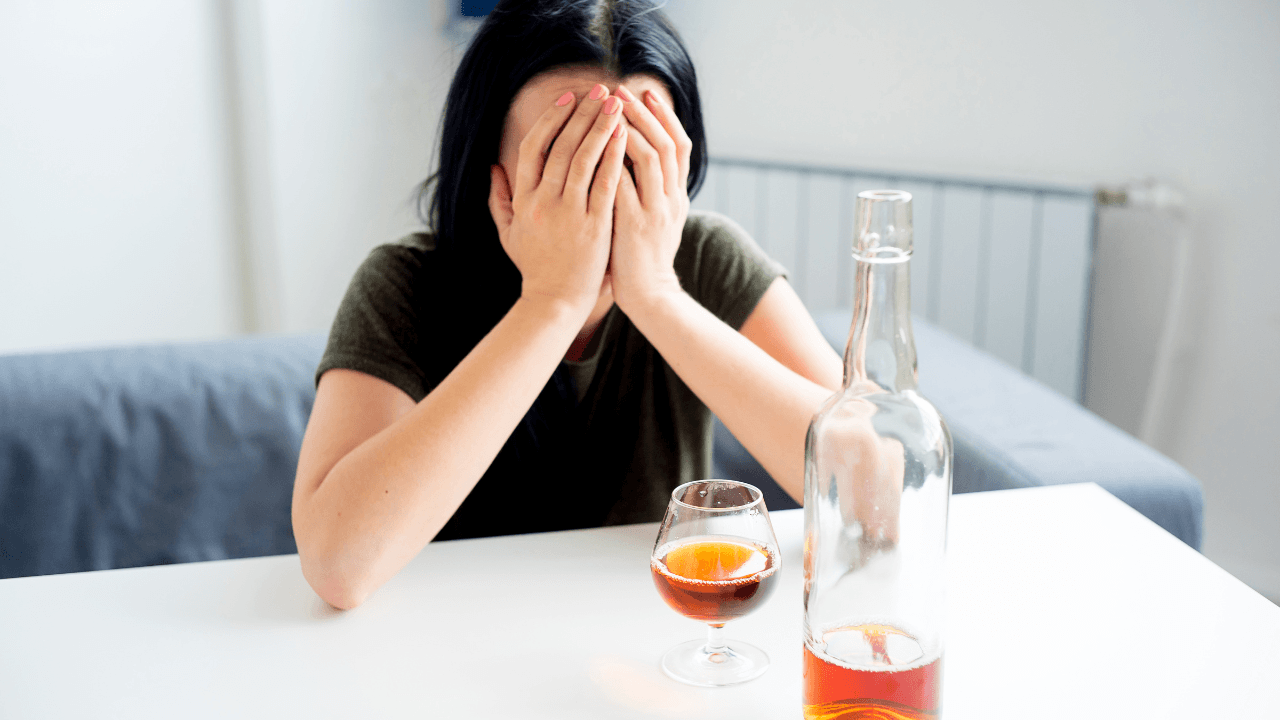
You decided to stop drinking. Maybe you went a few days, a few weeks or even a few months. Then you drank again and thought, Well, I’ve failed. Again. Whats the point?
Before you make it mean anything and get caught up in all or nothing thinking, have a look at what actually happened. What helped on the days you didn’t drink? What was different on the day you did? What could you do next time?
There’s a phrase I come back to a lot: there’s no failure, only feedback. And when it comes to changing your drinking, that feedback can really help.
If you've been wondering why stopping drinking can feel so difficult, understanding what's going on is a good place to start. But it's also important to recognise what you've already achieved.
Think about something you’ve already learnt
Do you remember learning to drive?
Clutch, mirrors, gears, indicators. And somehow you were supposed to pay attention to what everyone else on the road was doing at the same time. It was intense.
You took it slowly. You stalled. You tried again. Eventually, things that took all your concentration started to feel ordinary.
And parenting? Oh my God. Just when you think you’ve worked something out, they move into another phase and you’re learning all over again.
Think about something you can do now that once felt difficult. How did you learn it? What helped? How much practice did you need before it felt easier?
Whether you want to drink less, have more alcohol-free days or stop altogether, you're learning to change a habit that's become part of everyday life. Friday nights, a bad day at work, dinner with friends, that hour when everyone finally leaves you alone. Of course it takes time.
Get curious about what happened last time
Say you got through Monday to Thursday without drinking, then opened a bottle on Friday. It’s easy to focus on Friday and forget to ask what worked on the other four days.
Take five minutes and write down what you remember.
- What helped? Maybe you ate earlier, went for a walk after work or had something else in the fridge you actually wanted to drink.
- What made it harder? Were you tired? Had you had a difficult day? Did you get to Friday evening with no plan and decide you deserved a treat?
- What could you try differently? What do you really need on a Friday? If it’s a treat and reward, how can you give yourself this in a healthier way? If its to relax, wind down, what will help you do this?
Be honest and be kind. You can be disappointed about drinking again and still give yourself credit for what you did.
Those four days tell you something useful about what helps. And its 4 days alcohol free. That's worth celebrating.
It's also evidence that you can do it. You are doing it.
If you find yourself drinking to cope with stress or difficult feelings, you might also find our article on alcohol and anxiety, and why drinking can make it worse helpful.
Take one small action before you feel ready
You can read all the books, listen to the podcasts and spend time in communities with people who get it. All of that can help. At some point, though, you’ve got to take action.
You can’t drive in a parked car.
Motivation is like rocket fuel when it turns up. Lovely to have. But if you wait until you feel motivated, you could be waiting a while. You can do something small today, even if you don’t feel particularly inspired.
If I waited until I felt motivated to do the washing up, it would never happen.
If you tend to pour a glass as soon as you get in, decide what you’ll do in those first ten minutes.
Changing your routine can massively help.
If you drink more than you want when you meet a particular friend, suggest a walk or breakfast next time.
Take an action, any action. See what happens. If it helps, do it again. If it only helps a bit, see what else you need. Every time you do that, you learn a little more about what works for you.
For more ideas, have a look at our practical guide to dealing with alcohol cravings when you're trying to stop drinking.
Treat it like a project. You’re the project.
Pick one thing to work on this week. It could be getting through your usual Friday evening without drinking, or working out what you need when you reach for a glass after a rubbish day.
Give yourself a quick check-in afterwards. Did you do what you planned? What helped? What would make it easier next time?
And notice progress when it happens. Maybe you paused before pouring a drink and realised you were hungry. Maybe you asked for help a day earlier than you usually would. Maybe you had an alcohol-free evening you actually enjoyed.
Pay attention to how you got there, because that’s the bit you can repeat.
Have a watch of this short video for a bit of motivation.
This is where we come in at Women Who Don’t Drink.
We’ve worked with thousands of women. We can share what’s helped others, suggest something practical to try and give you a little kick into action when you need it. Then you can check in with us and talk through how it actually went.
If you'd like somewhere to start, try our free 5 Day Alcohol Reset.
As you go through it, pick one thing you can put into practice that day. Keep it small enough to do, even on an ordinary Tuesday when you’re tired and motivation is nowhere to be seen.
A Note on Stopping Safely
If you think you may be physically dependent on alcohol, or experience withdrawal symptoms such as shaking, sweating, nausea or anxiety when you go without it, speak to your GP or an alcohol support service before stopping suddenly.
Alcohol withdrawal can be dangerous, and stopping overnight can be harmful if you're physically dependent. The NHS advice on alcohol support and withdrawal explains what to look out for and how to get help.
If you experience severe withdrawal symptoms such as hallucinations, severe tremors or seizures, call 999.
You don't have to work everything out on your own. Getting the right support is part of making a change.
About the author
Stephanie Chivers is the founder of Women Who Don't Drink. She has nearly 20 years' experience supporting women to change their relationship with alcohol, having worked in national treatment services before founding Women Who Don't Drink.
She now supports women through coaching, education and community-based support, helping them make lasting changes without shame, labels or judgement.
Last reviewed: November 2026
