
How to stop drinking when everyone around you drinks
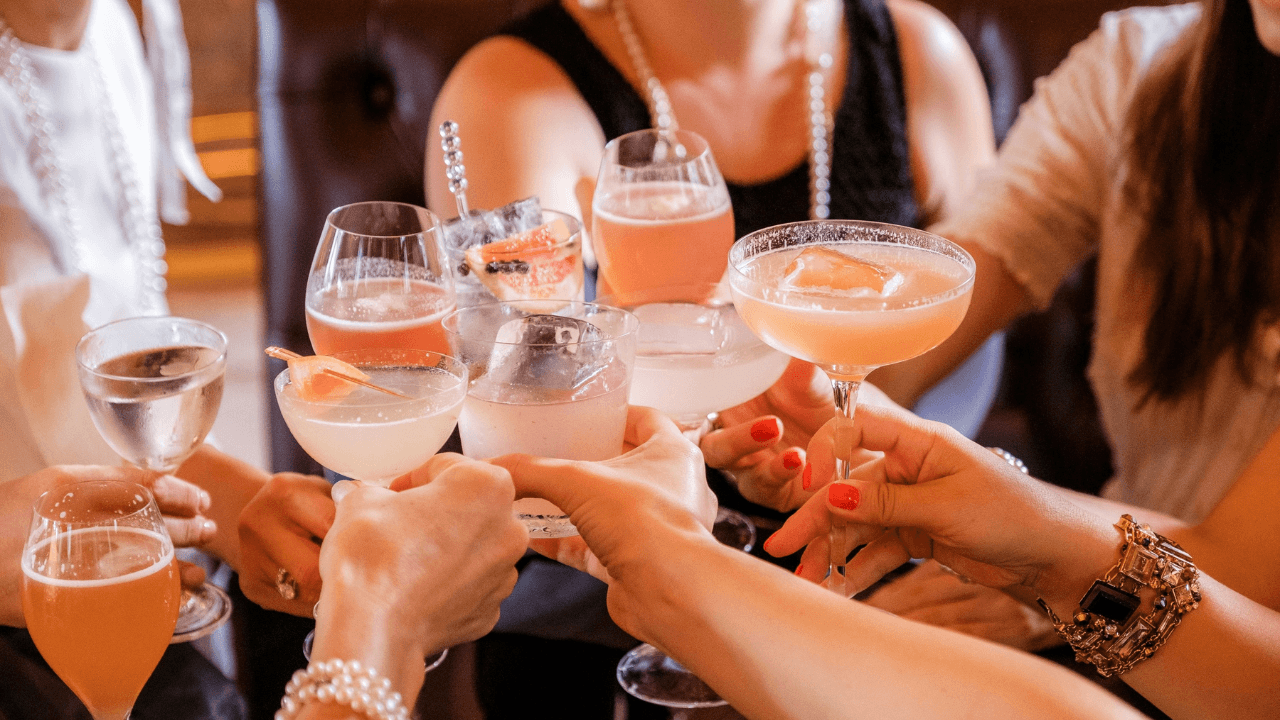
How do you stop drinking when your partner drinks, your friends drink and seemingly every occasion involves a bottle of something?
You can change your drinking even when the people around you carry on. But the starting point is bringing the focus back to you.
Why do you want to change? Why is alcohol a problem for you? What is it affecting? And what can you do about it?
You don’t have to wait for everyone else to change first.
Alcohol is everywhere
I was going to say it might feel like alcohol is everywhere.
But actually, it is in a lot of places.
It’s in the supermarket. At the garage when you get petrol. Handed to you when you arrive at a networking event.
Weddings, christenings, funerals, birthdays. Even children’s birthday parties can involve drinks for the adults.
Sometimes you only went shopping for dinner, and somehow a bottle of wine has become part of the plan.
Then there’s home.
You might live with a partner who drinks, family members or grown-up children who drin...
Do I Have a Problem With Alcohol? 10 Signs Your Drinking Might Be Holding You Back
If you've landed on this page, something has probably already been quietly nagging at you.
Maybe you've typed "am I an alcoholic?" into Google at 4am. Maybe you've been having the same internal conversation with yourself for months, or years. Maybe you haven't even got that far, and it's just a vague sense that something isn't quite right.
I'm not going to tell you whether you're an alcoholic. That's not a label I use.
We are humans. Alcohol is a drug that is readily available and aggressively marketed to us, and it's so easy to get into trouble with it. We are actively encouraged to drink, and then it can seem surprisingly hard to get help.
I would love to live in a world where you can go and see your GP and talk through your options and what support is available to help you reduce your drinking, including medication. Just like the options we get when we go and see the doctor to help us stop smoking tobacco.
Without being made to feel like there is something wrong with you.
But...
How to Deal with Alcohol Cravings When You're Trying to Stop Drinking
It's 5pm. You've had a long day, you promised yourself this week would be different, and suddenly there it is. The pull. The voice that says just one, or the feeling in your body that makes you want to jump out of your skin.
If that sounds familiar, first things first: there is nothing wrong with you. Cravings are a completely normal part of changing your relationship with alcohol. Some women get them intensely, some barely notice them, and most of us sit somewhere in between. But every craving has one thing in common. It will pass.
Prefer to watch?
In this video, Stephanie explains how triggers and cravings work, why they can feel so powerful, and what you can do when a craving hits.
Mastering Triggers and Cravings -
What actually is a craving?
A craving is a thought, a feeling, or both. It can be so strong that you genuinely believe that if you don't give it what it wants, you won't be able to cope.
But you will. Like any t...
What Happens When You Stop Drinking Alcohol?

If you're wondering what happens when you stop drinking alcohol, you've probably already read a list somewhere.
Better sleep, glowing skin, more energy, weight falls off, life is wonderful.
Some of that is true. Some of it is true for some people. And some of it takes a lot longer than the lists suggest.
I've been supporting women to reduce and stop drinking for nearly 20 years, first in national treatment services and now through Women Who Don't Drink. So this is the honest version: what changes, roughly when, and what can take a bit of work.
Because if you know what's coming, you're far less likely to give up in week three thinking "this isn't working for me".
Let's take it in three parts: physical changes, emotional changes and lifestyle changes.
Prefer to watch rather than read?
I've also talked through what happens when you stop drinking alcohol in this video:
Watch: What Happens When You Stop Drinking Alcohol?
About the author
Written by Stephanie Chivers, Founder of Wo...
How to Stop Drinking Alcohol When You Don't Think You Have a Problem
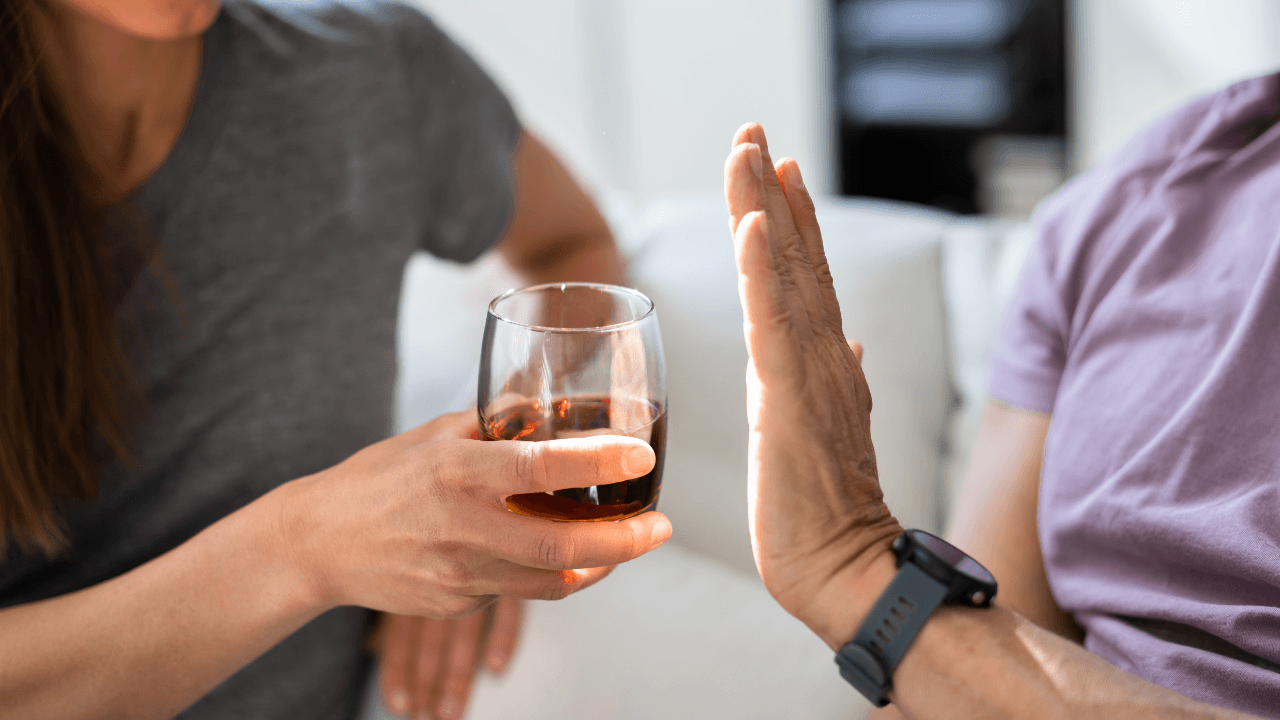
Think alcohol isn't causing you problems?
Here's what I'd actually say to that, and why one week off might just change your mind.
This is one of the most interesting questions I get asked, and the honest answer is: it depends.
It depends on how much you're actually drinking, what role alcohol plays in your life, and perhaps most importantly, how you feel when you don't drink.
I'm Stephanie Chivers, founder of Women Who Don't Drink. I've spent years supporting women to change their relationship with alcohol, and I've seen first-hand how easy it is for drinking to become part of everyday life without ever feeling like you have a "problem".
You don't have to identify as an alcoholic. You don't have to have hit rock bottom. And you don't need a dramatic story before you're allowed to question whether alcohol is working for you anymore.
Let's Start With the Numbers
The UK Chief Medical Officers' alcohol guidelines recommend drinking within the guideline of no more than 14 units of al...
Can You Stop Drinking Without Hitting Rock Bottom?

Short answer: yes.
Long answer: this is the question I get asked more than any other, and it's almost always whispered, in a DM, at the end of a call, after someone's already told me three other things first, like they're working up the courage.
"I'm not that bad though. Not like, rock bottom bad."
If that sentence has ever run through your head at 11pm with a glass in your hand, I want you to hear this clearly: you do not need to lose everything before you're allowed to change something.
It can be as simple as, alcohol isn’t working for you anymore.
Where this idea even comes from
We've been fed one story about drinking problems for decades. It's the film version, the empty bottles under the stairs, the lost job, the intervention, the dramatic "I'll never touch it again." It's Hollywood, and it's AA folklore, and it's the version your GP's leaflet probably shows too.
That story is true for some people. It is not the only story.
Most of the women I work with are nothing like th...
How to Socialise Without Alcohol (Without Feeling Awkward or Left Out)
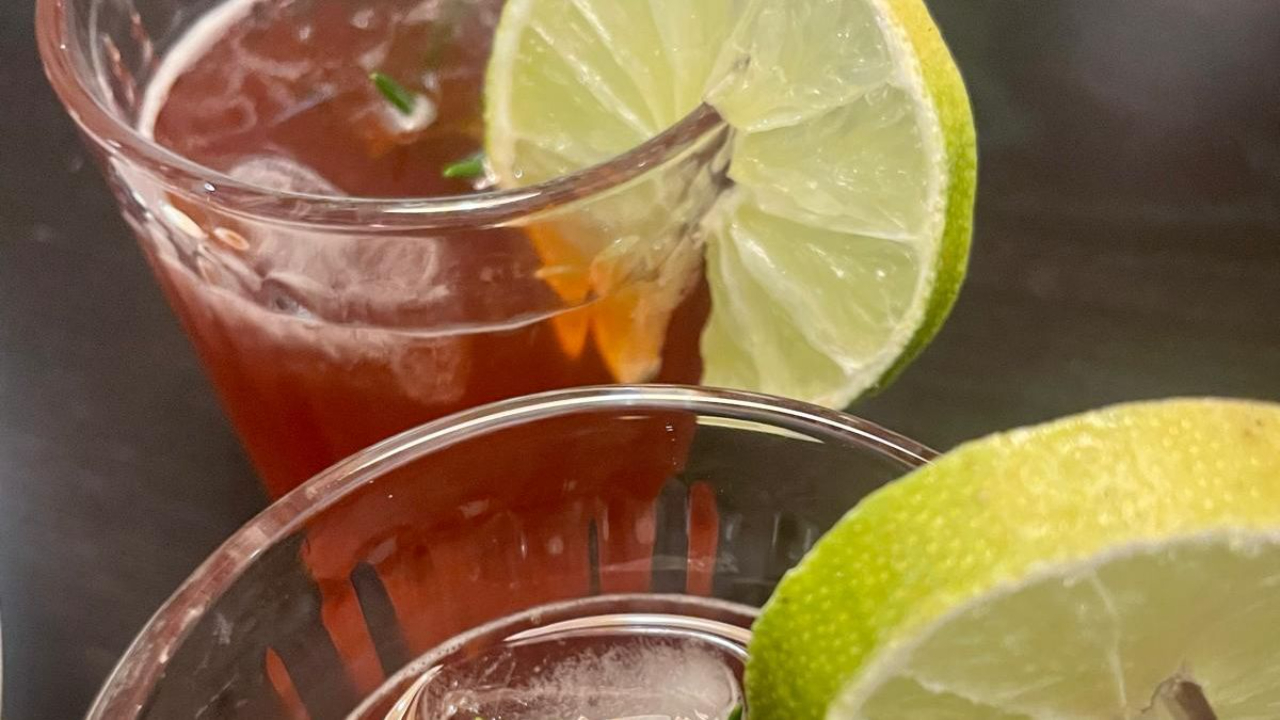
Let's talk about social anxiety and how to socialise without alcohol.
I'm not a big fan of labels, but you know what I mean by social anxiety, so I'll use the term. In all my years doing this work and living it myself I've seen that many women really struggle with socialising when they stop drinking, whether that's giving up alcohol completely, stepping back from partying, or just taking a break.
Mostly, this isn't because something is wrong with them. It's because they've simply never socialised any other way.
Why Socialising Without Alcohol Feels So Hard
As a society, we use alcohol as a social lubricant almost without thinking about it. It's there at every celebration, every catch-up, every work event. We drink, we socialise, the two have become so tightly linked that most people never even notice it's happening.
It usually isn't until you stop drinking that you realise just how automatic that connection was.
If you're changing your relationship with alcohol, whether you're...
Sun, Summer and Alcohol
Why the Warmer Weather Can Be a Drinking Trigger
Sunshine can be a powerful trigger to drink more alcohol, but it doesn't have to be. Understand the habit, the advertising, and what actually helps this summer.
A bit premature maybe, but I can almost smell the summer. After what feels like a very long winter, there's a real bounce in the air if you're anything like me, you're noticing it in your step too.
But I know that for a lot of women, sunshine brings something else alongside the good mood. A pull towards alcohol. A sense that a cold glass of something is just part of the picture.
And here's the irony: alcohol dehydrates you. It is literally one of the worst things you can put in your body when it's warm. It affects your skin, your sleep, your energy, none of which are helped by adding heat to the mix. The best thing you can reach for when the sun is out is water, or a genuinely refreshing soft drink or alcohol-free alternative.
And yet. The pull is real. So let's talk about ...
Alcohol and Anxiety: Why Drinking Makes it Worse.

If you drink to take the edge off anxiety, you are not alone. Millions of women do exactly the same thing. Wine at the end of a stressful day. A drink to calm the nerves before a social event. A glass to quiet the thoughts before bed.
It makes sense. In the short term, alcohol genuinely does reduce anxiety. The problem is what happens next.
Because alcohol doesn't solve anxiety. Over time, it creates it, amplifies it, and makes it significantly harder to address the underlying causes.
Here's why, starting with the science.
What Alcohol Actually Does to Your Brain
To understand the alcohol-anxiety connection, you need to understand two key neurotransmitters: GABA (gamma-aminobutyric acid) and glutamate.
GABA is your brain's main calming chemical. Glutamate is its main excitatory chemical, it activates neurons and is essential for memory and cognition.
Alcohol works primarily by stimulating GABA and blocking glutamate. Professor David Nutt, one of the world's leading experts in...
Why Is It So Hard to Stop Drinking? (Even When You Really Want To)
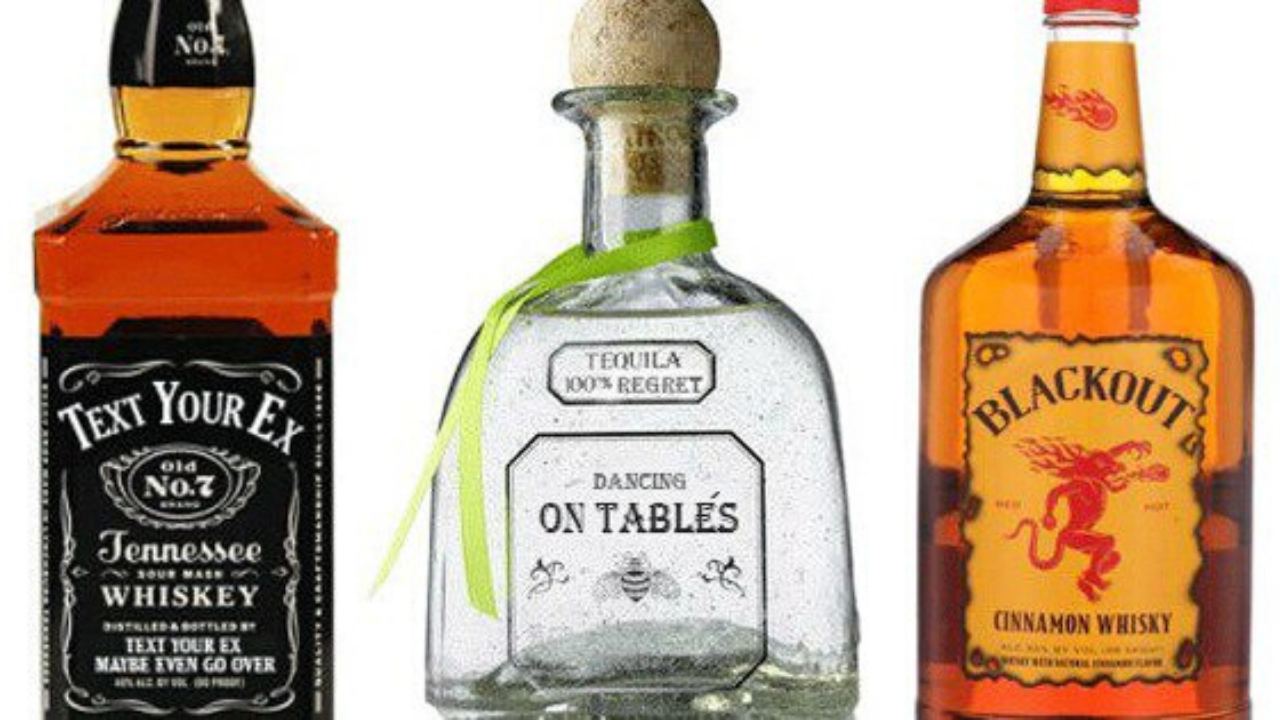
If you’re wondering why it feels so hard to stop drinking, even when you genuinely want to, the answer isn’t weakness or lack of willpower. Alcohol affects the brain’s reward system, emotional regulation, stress response and habits in powerful ways. When drinking becomes tied to relaxation, relief, or identity, stopping can feel uncomfortable, unfamiliar. Real change happens when you understand these mechanisms and build the right kind of alcohol support around you.
You wake up determined.
This time you mean it.
You’re going to take a break. Cut down. Stop for good.
And yet, a few days, sometimes even hours later, you find yourself pouring a drink and wondering:
Why is it so hard to stop drinking when I really want to?
If that question feels familiar, you are not alone. And more importantly, there are reasons for it.
Not excuses. Reasons.
Understanding them changes everything.
Alcohol Changes the Brain’s Reward System
Alcohol stimulates dopamine the neurotransmitter inv...
