
Do I Have a Problem With Alcohol? 10 Signs Your Drinking Might Be Holding You Back
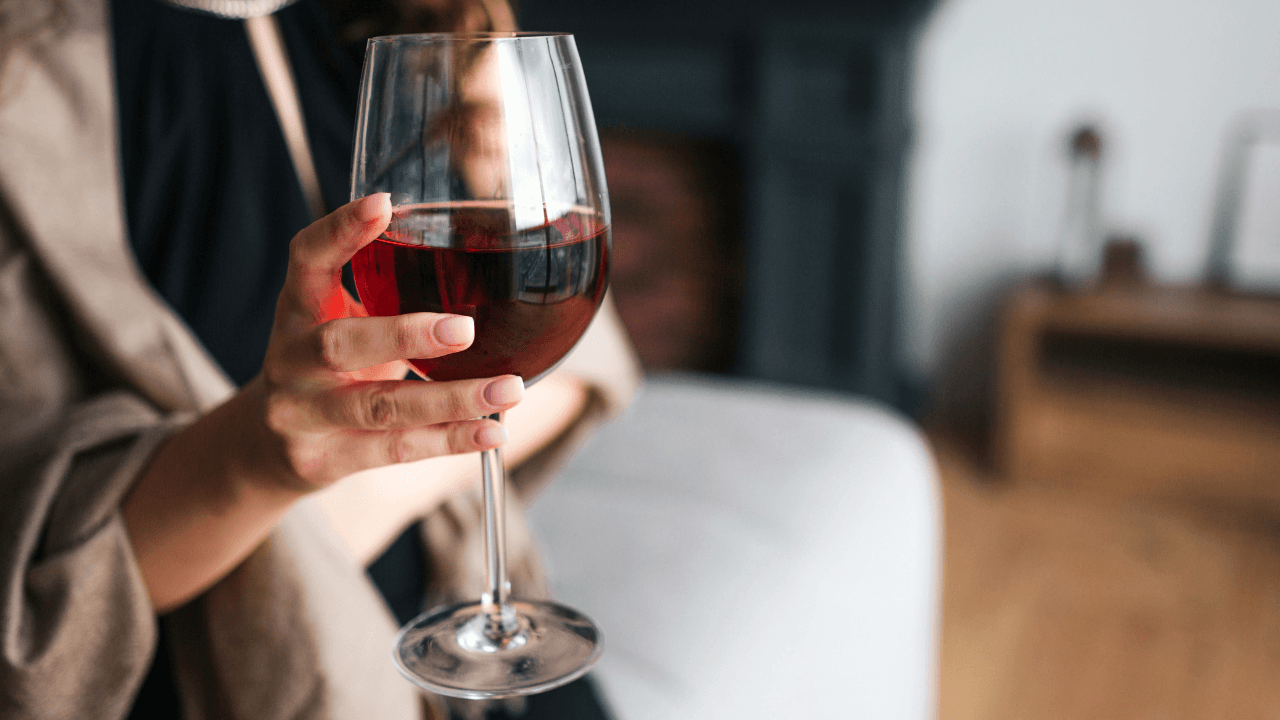
If you've landed on this page, something has probably already been quietly nagging at you.
Maybe you've typed "am I an alcoholic?" into Google at 4am. Maybe you've been having the same internal conversation with yourself for months, or years. Maybe you haven't even got that far, and it's just a vague sense that something isn't quite right.
I'm not going to tell you whether you're an alcoholic. That's not a label I use.
We are humans. Alcohol is a drug that is readily available and aggressively marketed to us, and it's so easy to get into trouble with it. We are actively encouraged to drink, and then it can seem surprisingly hard to get help.
I would love to live in a world where you can go and see your GP and talk through your options and what support is available to help you reduce your drinking, including medication. Just like the options we get when we go and see the doctor to help us stop smoking tobacco.
Without being made to feel like there is something wrong with you.
But that's a battle for another day.
A more useful question than "Am I an alcoholic?" is:
Is drinking alcohol causing me problems?
There isn't one amount of alcohol that automatically means you have a problem.
The UK Chief Medical Officers recommend that adults should not regularly drink more than 14 units of alcohol a week to keep health risks from alcohol low. But 14 units isn't a magic line between "fine" and "problem drinking". Your relationship with alcohol, how much control you have over it and the effect it's having on your health, mood, relationships and daily life all matter too.
So here are ten signs that your drinking might be worth taking a closer look at.
1. You're Waking Up at 4am With a Racing Heart and Racing Thoughts
This one is so common and so rarely connected to alcohol by the women experiencing it.
You fall asleep fine, maybe even quickly. But a few hours later you're wide awake. Heart racing. Thoughts spiralling. A vague or not-so-vague sense of dread that you can't quite pin down.
Alcohol can disrupt sleep and as its effects wear off later in the night, some people experience poorer sleep, anxiety or a racing heart.
There can be other things at play here too, including stress, hormones, perimenopause or menopause.
But if you're drinking regularly and waking up like this regularly too, it's worth considering whether alcohol is contributing.
You might be surprised by what you notice when you take a break.
Here is an interview with a sleep specialist, talking all things sleep and alcohol. https://youtu.be/wT2AqE2nsAY?si=zWgFWG9ysNB1UyWE
2. You Spend Time the Next Day Trying to Work Out What You Said or Did
The piecing-together.
The replaying of conversations.
The creeping sense that you said something you shouldn't have, upset someone, or embarrassed yourself, without being entirely sure.
If you regularly find yourself doing a mental audit the morning after, scrolling back through your messages, replaying the evening, waiting nervously for a text that either confirms or clears you, pay attention to that.
Alcohol can affect judgement and memory, particularly when you've been drinking heavily.
And you can remove a lot of that unnecessary giving-yourself-a-hard-time by taking a break from alcohol or drinking less.
3. Once You Start, You Find It Hard to Stop
You plan to have one or two.
You have five.
Or you plan to stop after dinner and somehow the bottle is empty.
This isn't necessarily a willpower failure. Alcohol affects the brain's reward system, and drinking can become tied to habits, routines, emotions and the expectation of feeling a certain way.
For some people this is occasional. For others, it's every time they drink.
Regularly drinking more than you intended or finding it difficult to stop or reduce your drinking once you've started, is one of the clearest reasons to take a closer look at your relationship with alcohol.
If you regularly drink more than you intend to and find yourself surprised or frustrated by that, it's worth exploring what would happen if you took a break.
4. You Find It Hard to Have an Alcohol-Free Day
Not that you're drinking all day. Not that you're falling over.
Just that a day without alcohol feels uncomfortable.
Unsettled.
Like something's missing.
Maybe you get to 5pm and feel a pull that's hard to ignore. Maybe you manage the day but feel vaguely irritable or restless.
Drinking every day can make alcohol increasingly tied to routines and habits. For some people, regular drinking can also lead to tolerance or dependence over time.
Ask yourself honestly:
Could you take a week off without it feeling like a big deal?
And if the answer is no, don't judge yourself for that.
Just be curious about it.
5. You're Googling "Am I an Alcoholic?"
I say this with complete warmth and zero judgement: if you're repeatedly searching "Am I an alcoholic?" or "Do I have a problem with alcohol?", that's worth paying attention to.
It doesn't mean you're definitely alcohol dependent.
But it does suggest you're questioning whether your relationship with alcohol is working for you.
And that's enough reason to explore it.
The word "alcoholic" is loaded and unhelpful for many of the women I work with.
You don't need a label before you're allowed to decide that alcohol isn't working for you anymore.
6. Your Mental Health Is Struggling - Anxiety, Low Mood, or Both
Alcohol can make anxiety and low mood worse, and drinking to cope with difficult feelings can create a cycle that's hard to break.
You feel anxious or low.
You drink to take the edge off.
The alcohol temporarily works.
Then, as the effects wear off, you can feel anxious, low or irritable again.
So you drink again.
Over time, that can become a very difficult cycle to get out of.
Many women I've worked with have been on antidepressants or anxiety medication for years. Some tell me that after stopping drinking, their anxiety, mood and general sense of wellbeing improved significantly.
That doesn't mean the medication was wrong, or that alcohol is always the explanation.
But if you're struggling with your mental health and regularly drinking alcohol, it's worth considering whether the two are connected.
You can read more about how alcohol can make anxiety worse here.
7. You're Having the Same Conversation With Yourself on Repeat
I'm going to cut down.
I'm not going to drink tonight.
Just weekends.
Just special occasions.
OK, just this week, after my holiday, then I'll have a break.
If this internal negotiation is a regular feature of your life, it's time to pay attention.
When you've repeatedly decided to cut down or stop but find yourself returning to the same pattern, that can be a sign that alcohol has become more than a simple choice or habit.
Not that you're hopeless or beyond help.
Quite the opposite.
It means part of you already knows what you want.
Read more about why it can be so hard to stop drinking .
8. You're Hiding Your Drinking
Are you pouring your drink before your partner gets home?
Finishing the bottle and putting it straight in the recycling outside so it's not sitting in the kitchen?
Understating how much you've had when someone asks?
Drinking wine out of a mug?
Hiding, minimising or downplaying how much you drink can be a sign that your relationship with alcohol has become uncomfortable for you.
You don't need to judge yourself for that.
But it is worth being curious about why you feel you need to hide it.
If your drinking feels completely comfortable and fine to you, why does part of you feel the need to hide it?
9. Your Stomach Is Constantly Complaining
This is one that gets missed because it seems unrelated, but alcohol can contribute to digestive problems for some people.
Bloating, indigestion, nausea, heartburn and other digestive symptoms can have many causes.
So I'm not saying that your stomach problems automatically mean alcohol is the culprit.
But if your digestion has been off for a while and you're drinking regularly, it's worth considering whether alcohol could be contributing.
Taking a break can give you useful information about whether drinking is playing a part.
And if you're experiencing persistent digestive symptoms, please speak to your GP rather than assuming alcohol is the cause.
10. Your Skin and Energy Aren't What They Were
This one is particularly relevant if you're in your 40s or 50s, because it's so easy to put this down to ageing or perimenopause.
But alcohol can contribute to dehydration and can affect your sleep, which can show up in how you look and feel.
Dullness, puffiness, tired-looking eyes, low energy and that general "I don't feel like myself" feeling can all be things women notice when they're drinking regularly.
And yes, sometimes you really are just getting older.
But not everything you're attributing to midlife is midlife.
Many women tell me that their skin, energy and overall sense of wellbeing improve when they stop drinking.
It's one of those things that's worth experiencing for yourself rather than assuming you know how you'll feel.
Find out more about what happens when you stop drinking alcohol
It's Not Just About How Much You Drink
One of the reasons this question can be so confusing is that there isn't a single number that tells you whether alcohol is a problem.
The UK guidelines recommend not regularly drinking more than 14 units a week, but someone can experience problems with alcohol at a lower level too.
And drinking more than 14 units doesn't automatically mean you're dependent on alcohol.
What matters is the bigger picture.
Are you drinking more than you intend to?
Is alcohol affecting your sleep, mood or relationships?
Are you regularly thinking about when you'll drink next?
Have you tried to cut down and found it harder than you expected?
Do you feel different when you don't drink?
Do you keep making promises to yourself about drinking and then breaking them?
You don't need to tick every box.
And you don't need to identify as an "alcoholic" before you're allowed to decide that alcohol isn't working for you anymore.
So, Do You Have a Problem?
What matters is whether your drinking is getting in the way of how you want to feel, how you want to live, or the person you want to be.
If any of the ten signs above resonated, that's enough to be worth exploring.
Not with shame.
Not with drama.
Not with a label that doesn't fit.
Just with a bit of honest curiosity and the right support around you.
And if you're thinking, "But I'm not that bad...", you might want to read: Can You Stop Drinking Without Hitting Rock Bottom?
You don't have to wait until things get really bad before you decide that you want something different.
One Important Thing Before You Take a Break
Before you try an alcohol-free week, there's one important thing to know.
If you drink heavily or regularly and may be physically dependent on alcohol, don't suddenly stop drinking without getting medical advice first.
Alcohol withdrawal can be dangerous and, in severe cases, life-threatening.
Withdrawal symptoms can include sweating, shaking, anxiety, nausea, a racing heartbeat, hallucinations, confusion and seizures.
If you experience withdrawal symptoms when you reduce or stop drinking, speak to your GP or an alcohol support service before attempting to stop.
NHS advice on alcohol dependence and withdrawal
Where to Start
If this post has stirred something, there are a few places you can start.
Try the experiment first
If you're not physically dependent on alcohol, one week without alcohol can be an interesting experiment.
No big commitment.
No label.
No announcement.
Just see what you notice.
How do you sleep?
How do you feel in the mornings?
What's your energy like?
How much do you think about drinking?
What happens at 5pm?
What do you do when you're stressed?
Nobody can tell you exactly what you'll discover.
That's the point of the experiment.
The 5 Day Alcohol Reset
The 5 Day Alcohol Reset is a supported, structured way to start exploring your relationship with alcohol.
You don't need to have hit rock bottom.
You don't need a dramatic story.
You don't need to call yourself an alcoholic.
You just need to decide that you're curious enough to find out what's on the other side.
Get some proper information
If you're not sure whether your drinking is putting your health at risk, you can also use Alcohol Change UK's advice on how much is too much to look at your drinking more objectively.
And if you're worried that you may be dependent on alcohol, or you're experiencing withdrawal symptoms, please speak to your GP or an alcohol support service.
You don't have to work this out on your own.
A note about the video
Have a watch and listen to the short YouTube video all about physical addiction and withdrawal.
VIDEO: Physical Addiction and Withdrawal – Stephanie Chivers
About the author
Written by Stephanie Chivers, Founder of Women Who Don't Drink.
Stephanie has nearly 20 years' experience supporting women to change their relationship with alcohol, having worked in national treatment services before founding Women Who Don't Drink. She now supports women through coaching, education and community-based support.
Last reviewed: October 2026
Women Who Don't Drink is a Community Interest Company supporting women to reduce or stop drinking.
If you'd like to understand more about alcohol, Alcohol Change UK and the NHS alcohol support pages are both excellent UK resources.
