
Why Is It So Hard to Stop Drinking? (Even When You Really Want To)
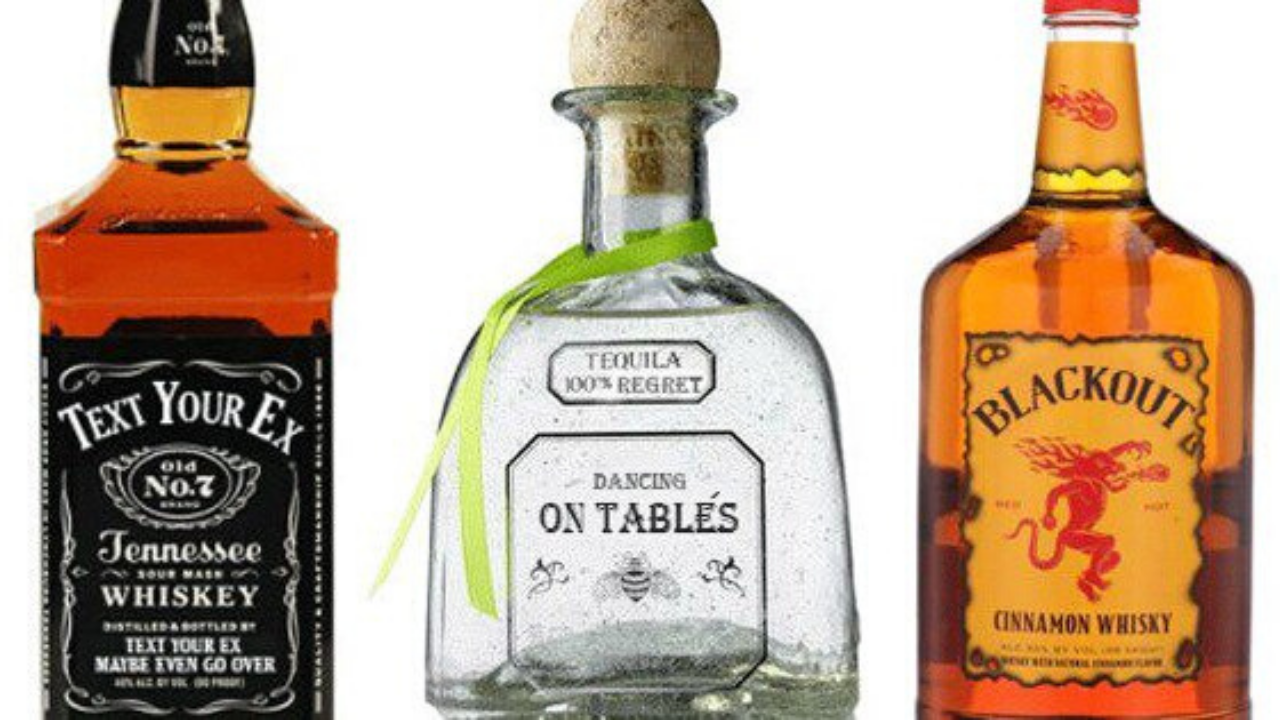
If you’re wondering why it feels so hard to stop drinking, even when you genuinely want to, the answer isn’t weakness or lack of willpower. Alcohol affects the brain’s reward system, emotional regulation, stress response and habits in powerful ways. When drinking becomes tied to relaxation, relief, or identity, stopping can feel uncomfortable, unfamiliar. Real change happens when you understand these mechanisms and build the right kind of alcohol support around you.
You wake up determined.
This time you mean it.
You’re going to take a break. Cut down. Stop for good.
And yet, a few days, sometimes even hours later, you find yourself pouring a drink and wondering:
Why is it so hard to stop drinking when I really want to?
If that question feels familiar, you are not alone. And more importantly, there are reasons for it.
Not excuses. Reasons.
Understanding them changes everything.
Alcohol Changes the Brain’s Reward System
Alcohol stimulates dopamine the neurotransmitter involved in motivation and reward. Research shows that alcohol increases dopamine release in the brain’s reward pathways, reinforcing the behaviour and making you more likely to repeat it (Source: https://www.niaaa.nih.gov/ ).
Over time, the brain adapts. It reduces its natural dopamine production and becomes less responsive to everyday pleasures.
That’s why things can feel flat, restless or “not enough” when you stop drinking.
It’s not that life is dull.
It’s that your brain needs time to recalibrate.
This is one of the biggest reasons stopping drinking feels harder than expected, especially in the early weeks.
Alcohol Becomes Emotional Regulation
Many women don’t drink for celebration.
They drink for relief.
Stressful day? Wine helps.
Anxious? Wine softens the edges.
Lonely? Wine fills the silence, it feels like a friend.
Alcohol suppresses activity in the prefrontal cortex (decision-making and regulation) and enhances GABA activity, which creates a calming effect (NIAAA).
In the short term, it works.
But the brain compensates. Over time, baseline anxiety increases, which is why alcohol and anxiety are so closely linked.
When you stop drinking, you lose your primary coping strategy and your nervous system hasn’t yet learned alternatives.
That can feel uncomfortable. Exposed. Raw.
Of course it feels hard.
Habit Loops Run Automatically
Much of drinking behaviour isn’t conscious decision-making.
It’s habit.
Cue → Routine → Reward.
5pm.
Sofa.
End of work.
Social event.
Your brain has wired these cues to alcohol over months or years.
https://charlesduhigg.com/the-power-of-habit/ shows that habits operate below conscious awareness. You can know something isn’t serving you and still feel pulled toward it.
That doesn’t mean you lack discipline.
It means your brain has built an efficient shortcut.
Breaking habits requires replacing the routine, not just removing it.
Identity and Social Conditioning Play a Role
Alcohol is woven into social life.
Celebrations.
Friendships.
Work culture.
Motherhood humour.
For many women, drinking becomes part of identity.
“I’m the fun one.”
“I deserve this.”
“It helps me relax.”
Stopping can feel like losing a part of yourself or worrying you’ll no longer fit.
That social layer is rarely talked about, but it’s powerful.
Research published in Addiction Research & Theory highlights the influence of social identity in drinking behaviours, particularly among women.
So when stopping feels isolating or unsettling, that makes sense too.
Willpower Is the Wrong Tool
If stopping drinking were purely about willpower, everyone would succeed the first time.
But willpower is a limited resource. Studies from the American Psychological Association show that self-control functions like a muscle it fatigues.
If you rely on white knuckling it, eventually something stressful, emotional or tiring will deplete that reserve.
That’s not failure.
That’s biology.
Sustainable change requires support, structure and skill-building not just determination.
So What Actually Helps?
Understanding why stopping is hard is the first step.
The next is building the right support around you.
That means:
- Learning how alcohol affects your brain and nervous system.
- Developing new coping strategies that actually work.
- Replacing habits rather than just removing them.
- Having accountability and support when motivation dips.
- Feeling supported rather than judged.
This is where structured Support and Accountability can make a real difference.
Not rehab.
Not extreme labels.
Not shame.
But steady, informed support that helps you change your relationship with alcohol in real life.
You’re Not Weak, You’re Human
If you’ve been asking yourself, “Why is it so hard to stop drinking?” the answer isn’t that something is wrong with you.
It’s that alcohol works on the brain in predictable ways.
Once you understand those mechanisms, the struggle starts to make sense.
And when something makes sense, it becomes workable.
If you’d like to explore this further, you can start with the free workshop, where I explain these patterns in more detail and what actually helps.
Free workshop on how to stop drinking
And if you’re ready for ongoing support, the Accountability group offers structured alcohol support and community to help change stick.
You don’t need to keep starting over.
You just need the right approach.
Written by Stephanie Chivers
Stephanie founded Women Who Don’t Drink after years managing alcohol treatment services. She supports women who want to change their relationship with alcohol without shame, labels or waiting until things become a crisis.
