
How to Socialise Without Alcohol (Without Feeling Awkward or Left Out)
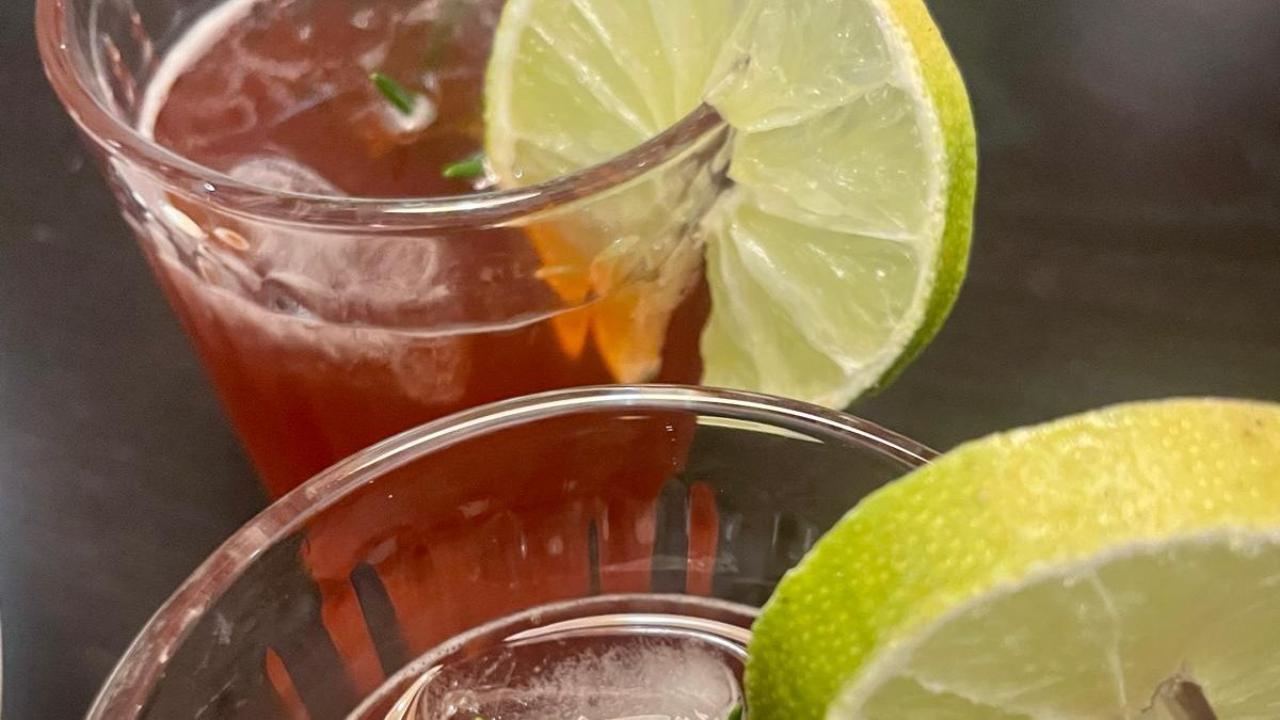
Let's talk about social anxiety and how to socialise without alcohol.
I'm not a big fan of labels, but you know what I mean by social anxiety, so I'll use the term. In all my years doing this work and living it myself I've seen that many women really struggle with socialising when they stop drinking, whether that's giving up alcohol completely, stepping back from partying, or just taking a break.
Mostly, this isn't because something is wrong with them. It's because they've simply never socialised any other way.
Why Socialising Without Alcohol Feels So Hard
As a society, we use alcohol as a social lubricant almost without thinking about it. It's there at every celebration, every catch-up, every work event. We drink, we socialise, the two have become so tightly linked that most people never even notice it's happening.
It usually isn't until you stop drinking that you realise just how automatic that connection was.
If you're changing your relationship with alcohol, whether you're giving it up for good or taking a break, you're essentially relearning how to be around people. You're testing out new situations, working out how you actually feel without the buffer of a drink in your hand. That takes time, and it's completely normal for it to feel strange at first.
Should You Avoid Social Situations Early On?
There are lots of practical things that help when you're learning to socialise without alcohol, but ultimately, you have to get out there and find what works for you, because everyone's experience is different. Some people barely notice the change. Others find it genuinely difficult.
In the early days of stopping or cutting back, it can help to step away from situations where you know you'll struggle. This isn't about avoidance forever, it's about giving yourself a fair chance to get through the first few weeks without setting yourself up to fail. If your reasons for stopping are significant, physical health, mental health, family, I'd strongly recommend giving yourself this grace.
That said, this isn't realistic or desirable for everyone, and there's an important caveat: don't let this tip into isolation. Human connection matters enormously for our wellbeing, research from organisations like Mind consistently links social connection to better mental health outcomes, and isolation to worse ones.
So if you are stepping back from boozy environments for a while, replace them with something else involving other people. An evening class, a sports team, a dance class, a book club, anything where you're coming together with others around a shared activity. The advantage here is that the focus is on the activity, not on sitting and making conversation. That takes the pressure off enormously.
Building the Muscle: How to Start Socialising Without Alcohol
When you do start socialising without alcohol, the sooner you begin, the better. It really is like building a muscle, the more you practise, the easier it gets.
You might feel odd. Different. Out of place. That's okay. It's just a feeling, uncomfortable, but not dangerous. Let yourself sit with it rather than fighting it. Find one person to talk to and focus on listening rather than performing.
Something else worth naming: you might feel boring, especially if you've previously been the life and soul of the party. That feeling is real, but it's also temporary and survivable. I'm not naturally great at small talk myself, and I've had to make peace with that. People adjust. They get used to the real you and often, that version of you is more present and more genuinely connected than the version that needed a drink to show up.
Reframing Social Events Without Alcohol
A useful mental shift: think about all the situations where you're already around people without alcohol involved. Work is the obvious one, most people don't drink at work and yet they manage to talk, connect, build relationships and even do business entirely sober.
For big events that feel intimidating, a wedding, a party, anything where you assume most people will be drinking, try reframing it like a networking event or a conference. Give yourself a purpose for being there, rather than just "surviving" it.
When I first started partner dancing, I gave myself a small rule: ask everyone in the room for a dance. It meant I actually did the thing I came to do, met everyone in the room, and stayed busy, without needing to rely on being chatty or confident in conversation. It worked because it gave me a job to do, rather than leaving me to just stand around and feel exposed.
Try treating social events without alcohol as a kind of research project. Go in with curiosity about how you'll feel, what you'll notice, what works and what doesn't, rather than dread about getting through it.
A Few Practical Tips for Sober Socialising
A handful of things that consistently help women I've worked with:
Have a drink in your hand from the moment you arrive, even if it's just sparkling water with lime. It removes the "can I get you something?" conversation and gives you something to do with your hands.
Decide in advance whether you're telling people you're not drinking, or simply not making it an issue. Both are valid. You don't owe anyone an explanation.
Have an exit plan. Knowing you can leave after an hour, removes a lot of pressure to "stick it out."
Find your person. One ally in the room, someone supportive, or someone else who isn't drinking, makes a noticeable difference. I used to sometimes set myself a challenge to find the other alcohol free people. You will be surprised how many there are.
You're Not Alone in This
Social anxiety around sobriety is well recognised. The NHS and organisations like Alcohol Change UK both highlight how deeply alcohol is woven into UK social culture, and how disorienting it can feel to step outside of that, particularly in the early stages.
You are not broken, awkward, or doing it wrong if this feels hard. You are unlearning a habit that society spent years teaching you. That takes practice, not perfection.
Ready for More Support?
If you'd like to explore this further, the 5 Day Alcohol Reset is a great place to start, it looks at the habits and patterns behind drinking.
Check out my video on You Tube all about How to Socialise without Alcohol
And if you want ongoing support from women who genuinely understand what this feels like, the Accountability group offers exactly that, non-judgemental, practical, real-world support as you navigate socialising without alcohol.
You don't have to figure this out alone, and you don't have to get it right straight away.
Written by Stephanie Chivers
Stephanie founded Women Who Don’t Drink after years managing alcohol treatment services. She supports women who want to change their relationship with alcohol without shame, labels or waiting until things become a crisis.
