
How to Socialise Without Alcohol (Without Feeling Awkward or Left Out)
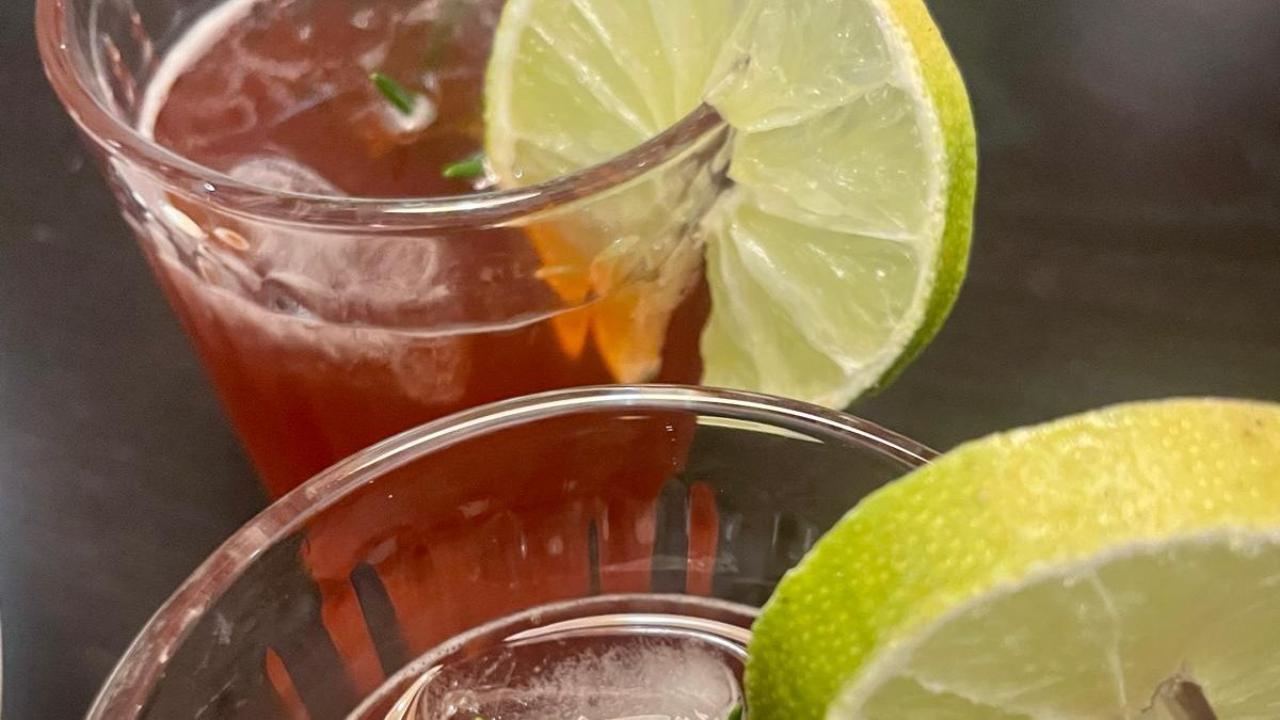
Let's talk about social anxiety and how to socialise without alcohol.
I'm not a big fan of labels, but you know what I mean by social anxiety, so I'll use the term. In all my years doing this work and living it myself I've seen that many women really struggle with socialising when they stop drinking, whether that's giving up alcohol completely, stepping back from partying, or just taking a break.
Mostly, this isn't because something is wrong with them. It's because they've simply never socialised any other way.
Why Socialising Without Alcohol Feels So Hard
As a society, we use alcohol as a social lubricant almost without thinking about it. It's there at every celebration, every catch-up, every work event. We drink, we socialise, the two have become so tightly linked that most people never even notice it's happening.
It usually isn't until you stop drinking that you realise just how automatic that connection was.
If you're changing your relationship with alcohol, whether you're...
Sun, Summer and Alcohol
Why the Warmer Weather Can Be a Drinking Trigger
Sunshine can be a powerful trigger to drink more alcohol, but it doesn't have to be. Understand the habit, the advertising, and what actually helps this summer.
A bit premature maybe, but I can almost smell the summer. After what feels like a very long winter, there's a real bounce in the air if you're anything like me, you're noticing it in your step too.
But I know that for a lot of women, sunshine brings something else alongside the good mood. A pull towards alcohol. A sense that a cold glass of something is just part of the picture.
And here's the irony: alcohol dehydrates you. It is literally one of the worst things you can put in your body when it's warm. It affects your skin, your sleep, your energy, none of which are helped by adding heat to the mix. The best thing you can reach for when the sun is out is water, or a genuinely refreshing soft drink or alcohol-free alternative.
And yet. The pull is real. So let's talk about ...
Alcohol and Anxiety: Why Drinking Makes it Worse.

If you drink to take the edge off anxiety, you are not alone. Millions of women do exactly the same thing. Wine at the end of a stressful day. A drink to calm the nerves before a social event. A glass to quiet the thoughts before bed.
It makes sense. In the short term, alcohol genuinely does reduce anxiety. The problem is what happens next.
Because alcohol doesn't solve anxiety. Over time, it creates it, amplifies it, and makes it significantly harder to address the underlying causes.
Here's why, starting with the science.
What Alcohol Actually Does to Your Brain
To understand the alcohol-anxiety connection, you need to understand two key neurotransmitters: GABA (gamma-aminobutyric acid) and glutamate.
GABA is your brain's main calming chemical. Glutamate is its main excitatory chemical, it activates neurons and is essential for memory and cognition.
Alcohol works primarily by stimulating GABA and blocking glutamate. Professor David Nutt, one of the world's leading experts in...
Why Is It So Hard to Stop Drinking? (Even When You Really Want To)
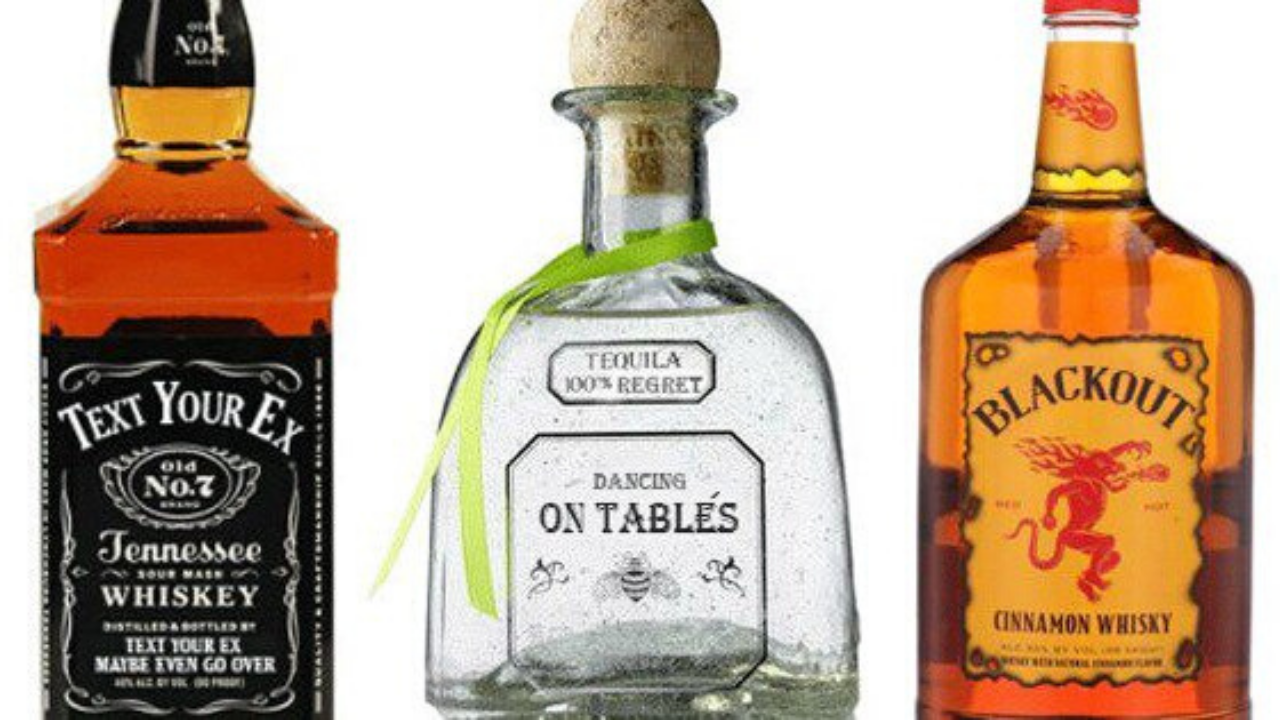
If you’re wondering why it feels so hard to stop drinking, even when you genuinely want to, the answer isn’t weakness or lack of willpower. Alcohol affects the brain’s reward system, emotional regulation, stress response and habits in powerful ways. When drinking becomes tied to relaxation, relief, or identity, stopping can feel uncomfortable, unfamiliar. Real change happens when you understand these mechanisms and build the right kind of alcohol support around you.
You wake up determined.
This time you mean it.
You’re going to take a break. Cut down. Stop for good.
And yet, a few days, sometimes even hours later, you find yourself pouring a drink and wondering:
Why is it so hard to stop drinking when I really want to?
If that question feels familiar, you are not alone. And more importantly, there are reasons for it.
Not excuses. Reasons.
Understanding them changes everything.
Alcohol Changes the Brain’s Reward System
Alcohol stimulates dopamine the neurotransmitter inv...
Matt Willis, Fighting Addiction.
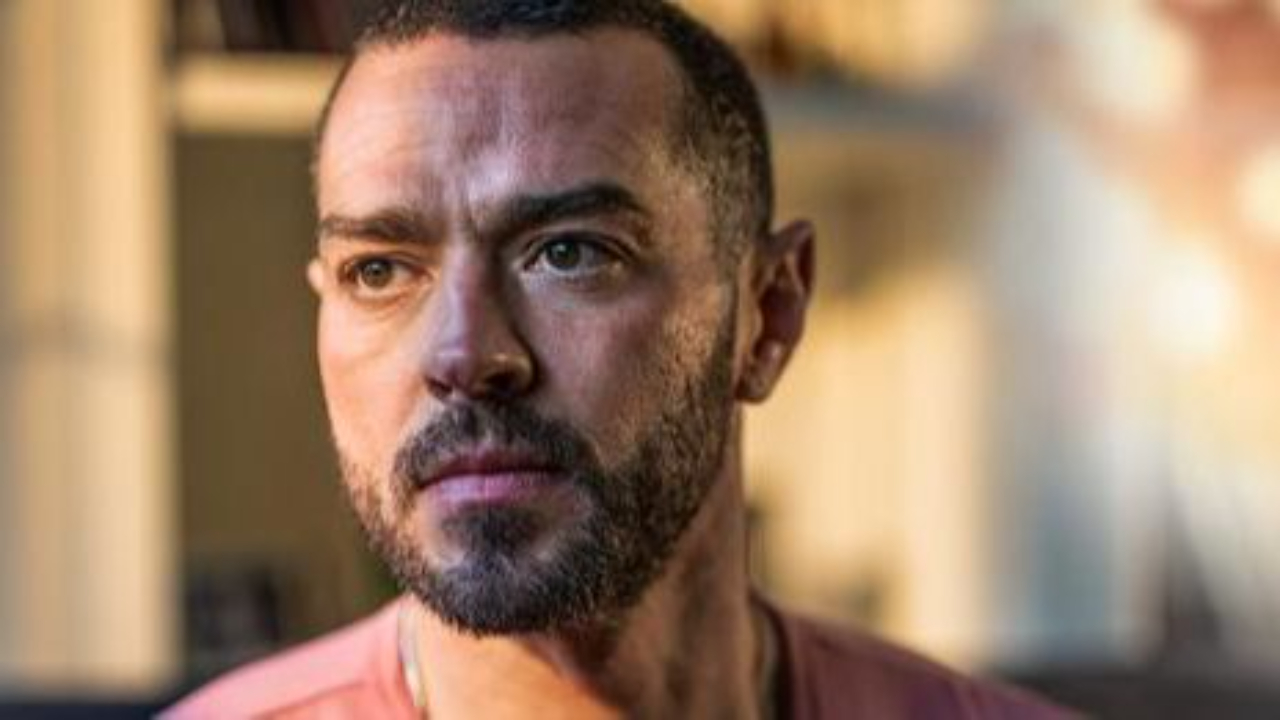
Everyone is talking about the Matt Willis Documentary, Fighting Addiction.
I think it’s fab when people share their stuff so openly. It provokes thought and discussion for many.
This morning I have already had some great discussions about different topics that have come up from the documentary.
There are a few key points I would like to address.
Triggers
People, places, times, feelings, events that cause you to drink. Anyone who has had a problem with drugs and alcohol will know exactly what I mean. We all have triggers, learning about our triggers, mitigating the risk is part of the work. We can’t know all of our triggers from the beginning, we know some; quite often we learn about them as we go on and this is ok.
Now where this gets important is when you’re drinking, or drug use has a significant impact on your life. Things like your using is life threatening, the amount you use, the combination of using could cause overdose or serious illness. Maybe your behaviour is dan...
10 tips for surviving the festive season.

Its that time of year again.
Christmas can be a real test for those of us that have given up something or are struggling to gain control. Or maybe you’re someone that struggles to regulate your intake of anything.
Depending on what your poison is will depend on how difficult this festive season might be.
Alcohol is probably the top one, it’s pretty much everywhere anyway, but something happens at Christmas that seems to make alcohol multiply like I have never seen before or is it just me!!
Food and sugar is another hard one, the whole thing is about food. What is it that happens to an office on the run up to Christmas it seem to turn into a junk food feeding ground, pastries, cakes, chocolate you name it its available in the bucket load.
So what can you do if you are alcohol free, attempting moderation or even just want to be healthy.
Here are my 10 tips for surviving the festive season.
1. Remember there are no rules you don’t have to fit in with everyone else. So this might s...
Confidence by Caro

On confidence
Stephanie has invited me to do a piece about confidence. Am I confident enough I wonder? Go on then!
Confidence, I have recently learned, comes from one’s self esteem and feeling of self-worth. This is developed in (about) the 4th year of life when we experience how significant we are to our parents, or care givers. To be dear to someone, to have closeness and connection. Eventually, through adolescence and then when we become adults, we learn that we can create this very connection with ourselves, and become self-aware, to believe in ourselves, to support ourselves, stand on our own two feet.
Of course, we all know the notion of “having one’s confidence knocked”. That is when we momentarily doubt our self-worth. Mostly because of a situation or circumstance where we, erroneously, compare ourselves to others. We forget our own significance within.
The good news is that confidence (self-esteem, self-worth) can be learned and can be expanded upon, and the brain circuits...
Bicycle of change.
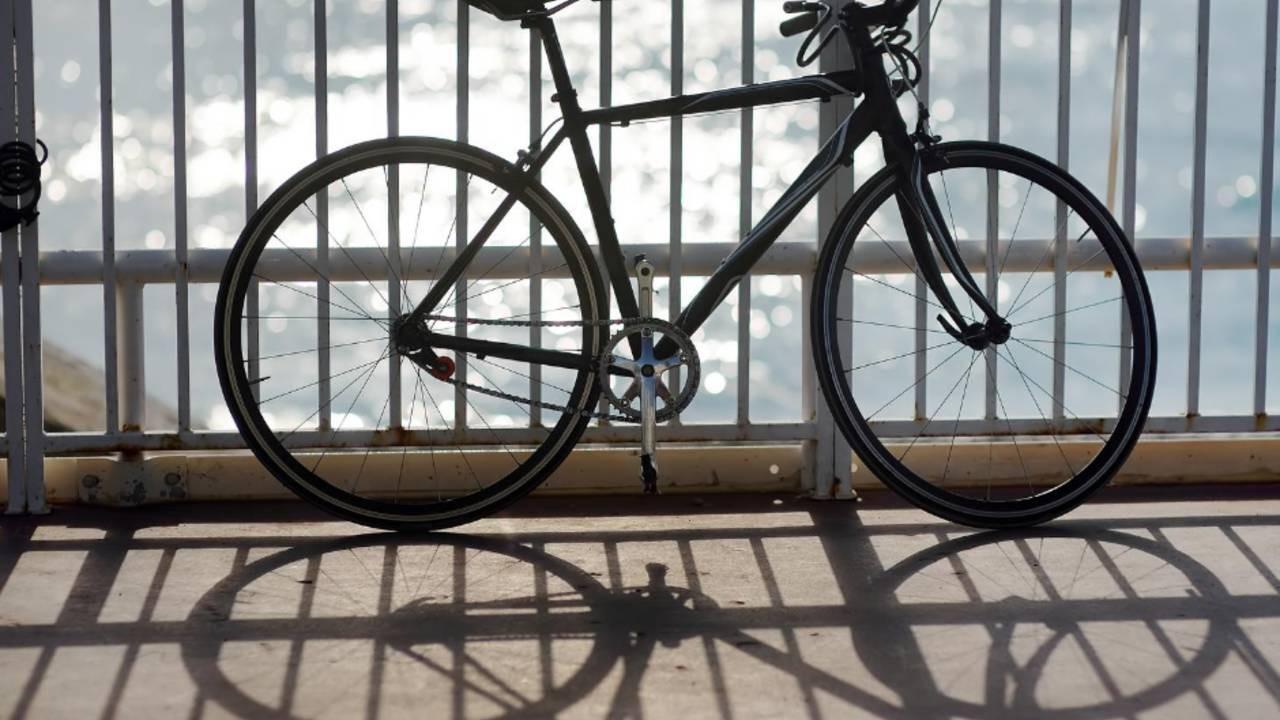
I want to talk about the bicycle of change.
So some of you, if you work in health or behaviour change will have heard of the cycle of change.
Pre contemplation.
Contemplation.
Preparation.
Action.
Maintenance.
Relapse. (just checking you saw that in there).
Yes relapse is part of the process. You can call it whatever you want.
This isnt just restricted to drugs and alcohol either.
Think about healthy eating, exercise, drinking water etc.
Now when people describe this, its not actually a fair representation of what happens, as its a cycle, makes it sound like a circle, people might feel like they are going round and round.
But you are not.
This is why we will refer to it as the bicycle of change.
Because yes, we are human, yes we are learning machines, yes we learn by making mis-takes. But we keep moving forward.
We learn from our alcohol free days, our days when we dont drink very much, our reductions, as well as our moments when we have a blip.
And we move forward, mig...
10 Core Things I Stand For.
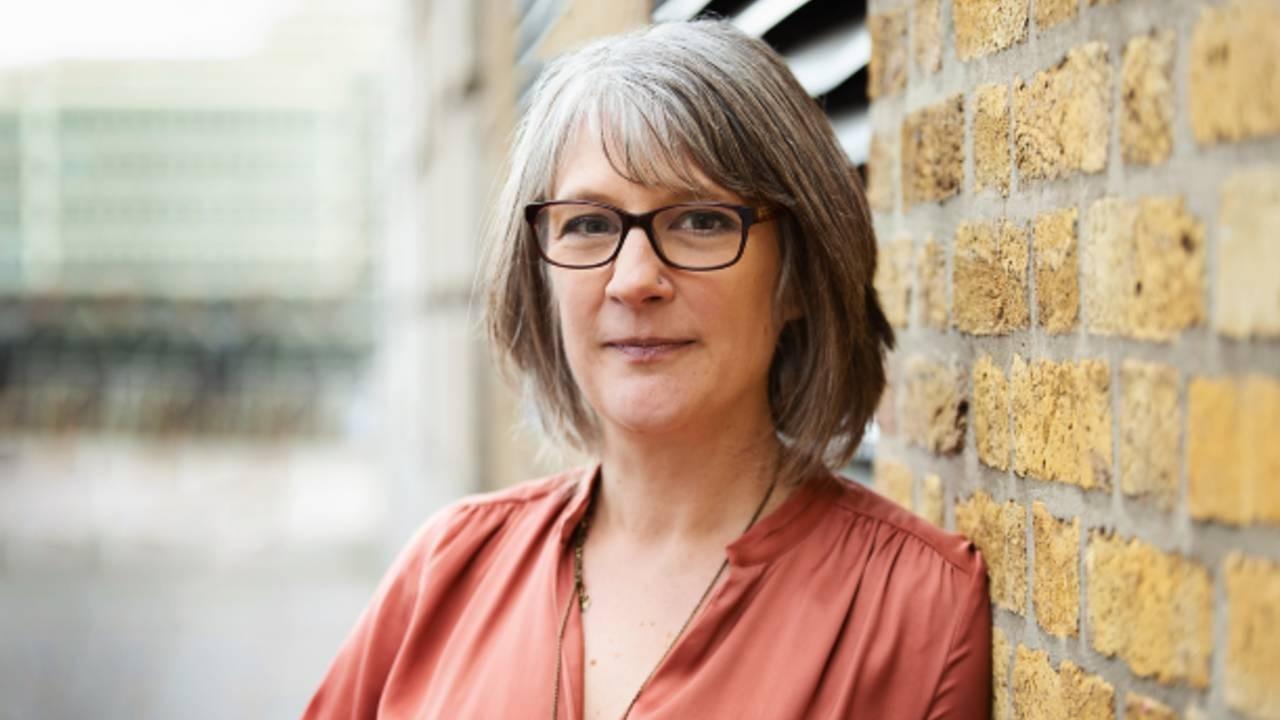
I am a qualified Coach and Master Practitioner of NLP, trainer and manager. Over the last 15 years, I have helped many people from all walks of life facilitate change - specifically helping people to change their relationship with alcohol and drugs.
People often come to me when they have decided, "I want to stop drinking," or "I want to stop taking drugs" I help them get clear on how to make this change and support them through it.
10 Core Things I Stand For (in the context of my work)
Learning - this one is massive; learn about alcohol, learn about drugs (I know alcohol is a drug, but I have to say that so you know what I am talking about). This is where I want you to start; learn about the substance you are taking, the facts. Make an informed choice about what you are putting into your body and the impact on you and your life. If you don’t know where to start, message me.
Action - You can think, read, listen, overthink, analyse; but seriously, just take action. Just f**king do it...
Lets Talk Relapse and Lockdown.
Blip, slip, relapse; I don’t mind what you call it. Please don’t use language that makes you feel like shit.
It doesn’t matter what your drug of choice is: alcohol, cocaine, crappy food (although not a drug, people do use it in a similar way). When life changes, even subtly, its super easy to find ourselves reaching for our old favourite to cope, to comfort us, to escape, to fill time, because well, whats the point?
I am going to talk about lockdown in England specifically, although I am sure the psychology of it is similar in other countries.
For most of us, in some way (to different degrees), the rug has been pulled out from under us.
Now this isn’t about moaning or being entitled, this is a fact.
It doesn’t have to be a massive problem, most of us know that what we are experiencing are first world problems and we know that we are lucky.
That’s not the point.
I haven't relapsed, but I understand how it can happen. The slightest change can take us by surprise.
Holidays have b...
